about roava
We’d rather do one city properly than fifty passably.
We think a walk through a city should feel like a friend who’s read everything showing you around — not forty people under one umbrella with no time to linger anywhere that matters. Nobody should have to choose between depth and freedom.
how a story gets made
Vetted. Researched. Read line by line.
Every story in the app went through all three before you hear a word.
Every candidate stop is scored before a word is written: is there a story here you'd cross the street for, or just a plaque? It earns its minutes or it's cut.
Primary sources first — biographies, heritage records, city histories. We gather the record on a place before a word of the script exists, and the script is drafted from that research rather than from whatever the model already thinks it knows.
Every script is read line by line before it becomes audio, and a line that doesn't hold up is rewritten or cut. Then it's pinned to the place itself, so the story starts when you arrive rather than when you remember to press play. Most stops get more than one — the Go deeper layer, for when the first story leaves you wanting the rest.
hear the result
This is what comes out the other end.
Twenty seconds from three Paris stops, trimmed from the audio the app plays at each one. The words under the play button are the script, word for word.
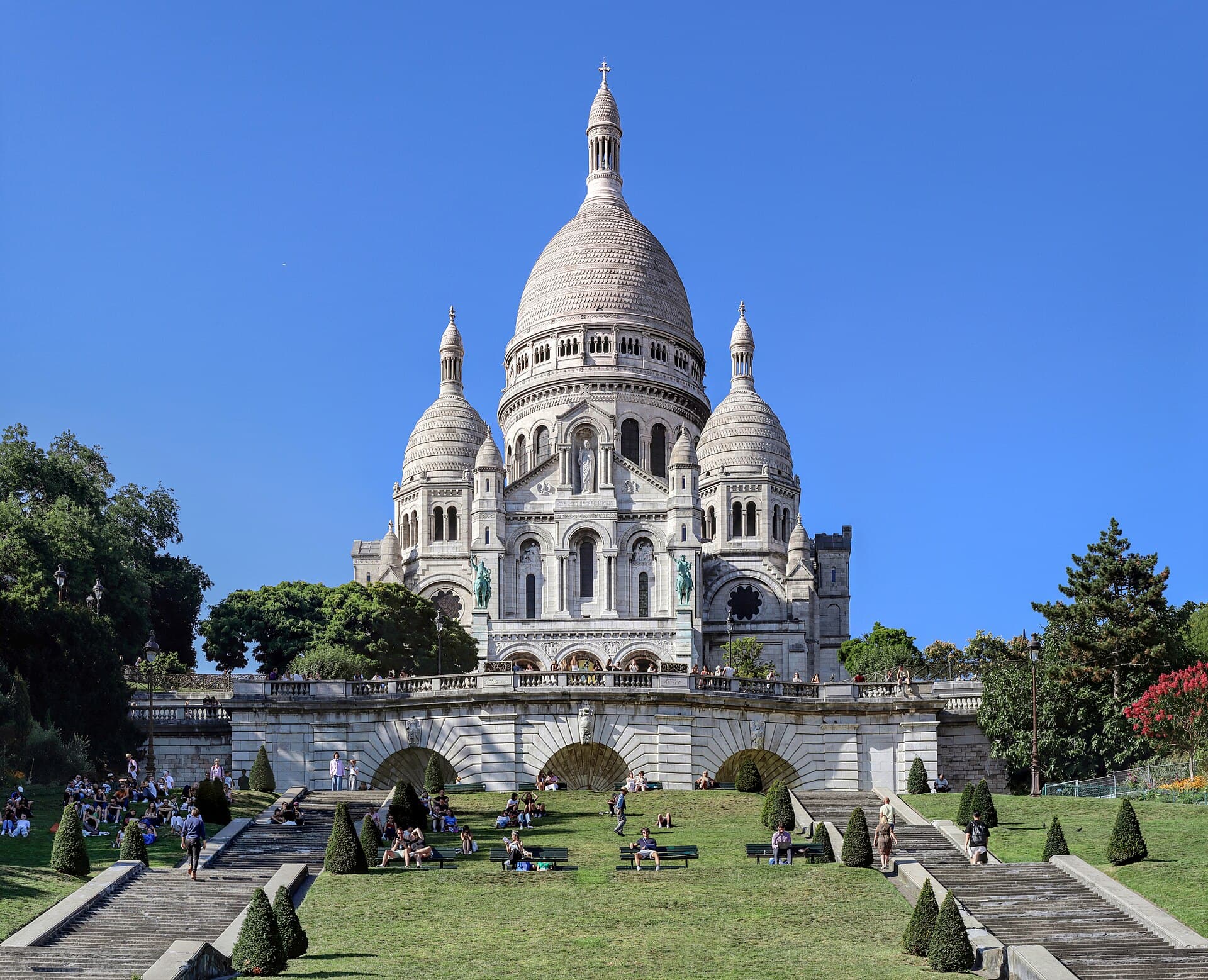
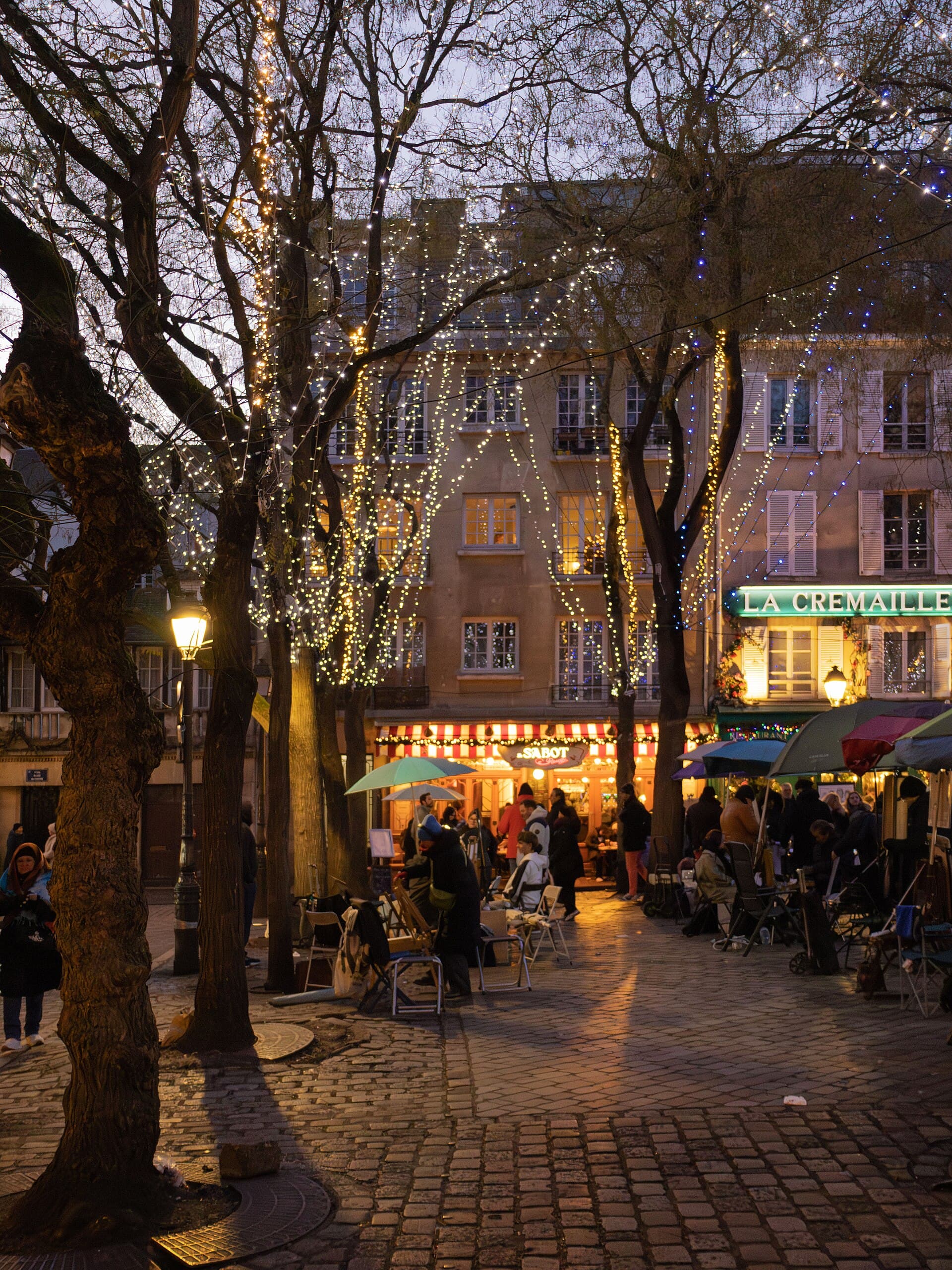
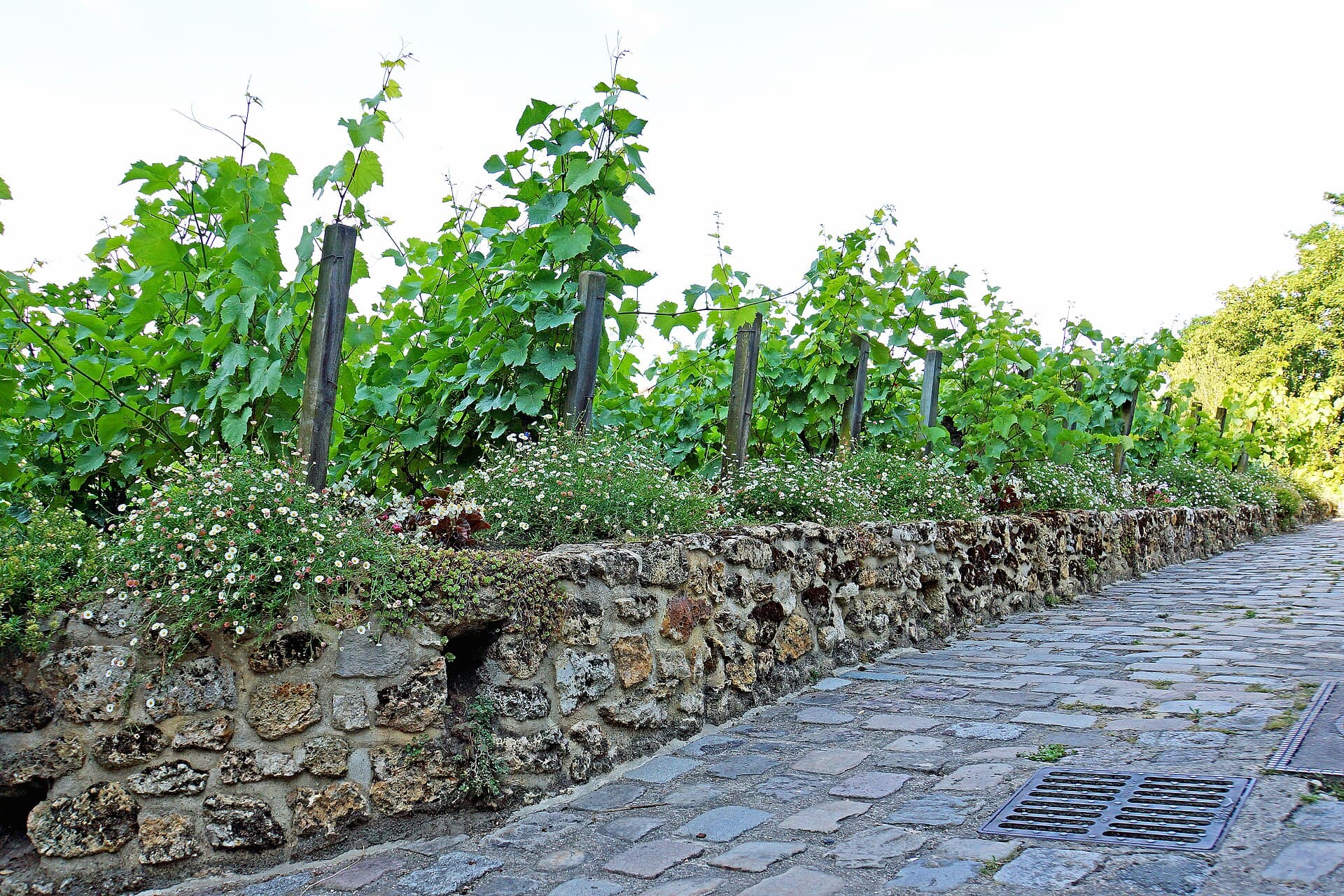 photo: Giò Terra (Terragio67) · CC BY-SA
twenty seconds of a roava story
“The site held Druidic temples before this, and a ninth-century chapel dedicated to Saint Denis.”
Paris is first. Your first three stories are free.
We add a city when its stories are ready, not when a map says we should. Somewhere else in mind? Tell us where to walk next.